
Gamification KPIs: What Campaigns Can Deliver
Gamification is more than a show element. Set up properly, it delivers hard KPIs such as plays, play duration, leads and opt-ins, making campaign success measurable.
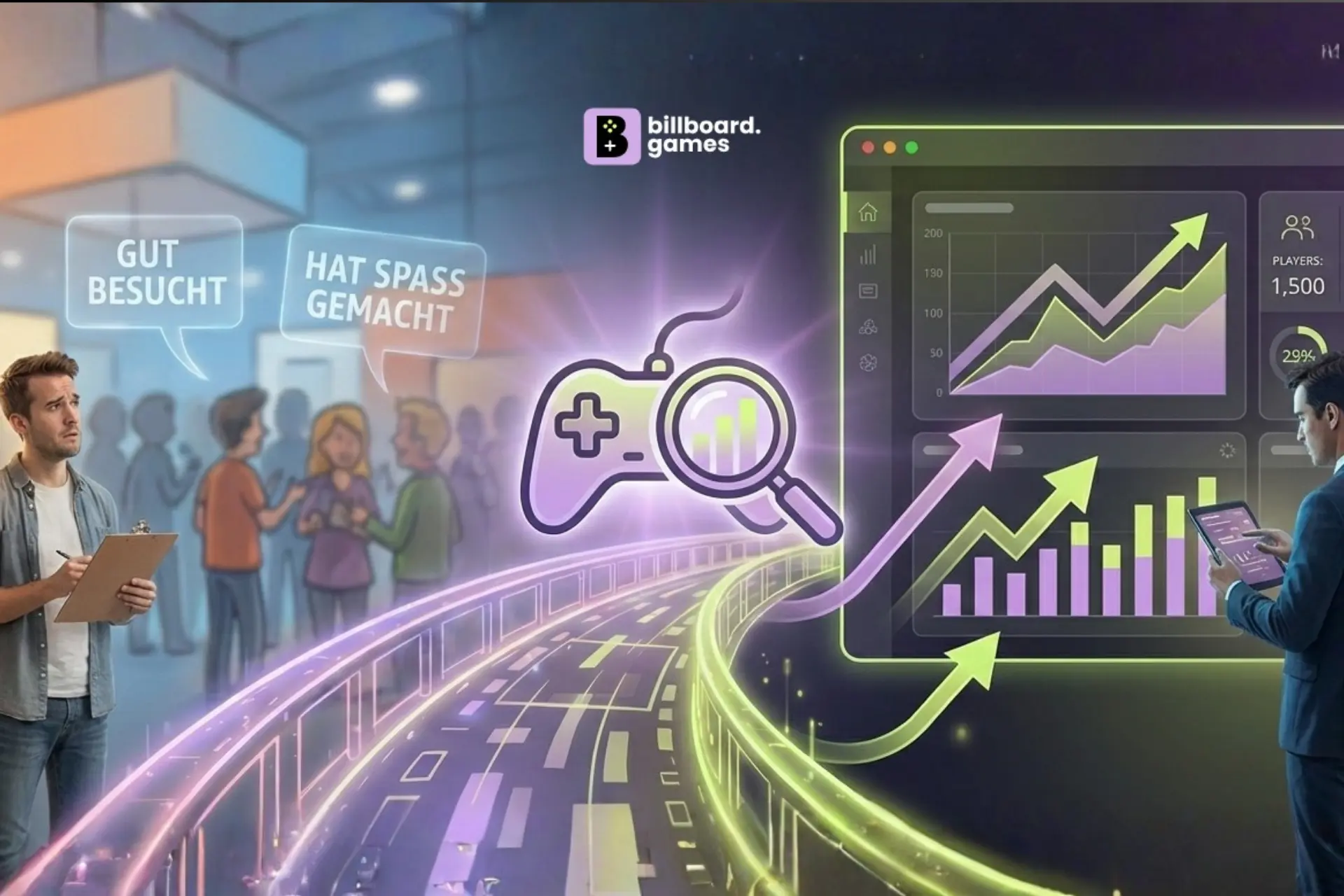
"There was a lot going on" is not reporting
After trade shows or campaigns, you often hear sentences like:
- "Our booth was busy."
- "People had fun."
- "The giveaway went down well."
That sounds positive, but it is hard to translate into budgets and planning. Gamification platforms can make a difference here because they turn vague impressions into concrete numbers.
Typical KPIs in gamification campaigns
A well-set-up activation can measure, among other things:
- number of players, how many people actually participated?
- play duration, how long did they stay in the experience?
- drop-off rates, where did people leave?
- lead conversion, how many players left their data?
- redemption rate, how many issued codes or prizes were used?
These metrics help not only with reporting, but also with future decisions.
A/B testing in real life
With digital games, content can be varied easily:
- different quiz questions,
- different prize structures,
- alternative calls to action.
By comparing KPIs, you can quickly see which version performs better. This creates a kind of live lab for your messages, directly with your target audience.
From nice-to-have to fixed channel
The better you know your numbers, the easier it becomes to integrate gamification into regular marketing planning. Instead of "let's do a game sometime", it becomes: "With game X, we generate an average of Y qualified leads per day, week or event."
That turns gamification from a colorful extra into a clearly calculable component of the marketing mix.
Try the idea as a campaign?
We translate the idea from this article into a concrete game setup, tailored to your channel and budget.
Free and non-binding